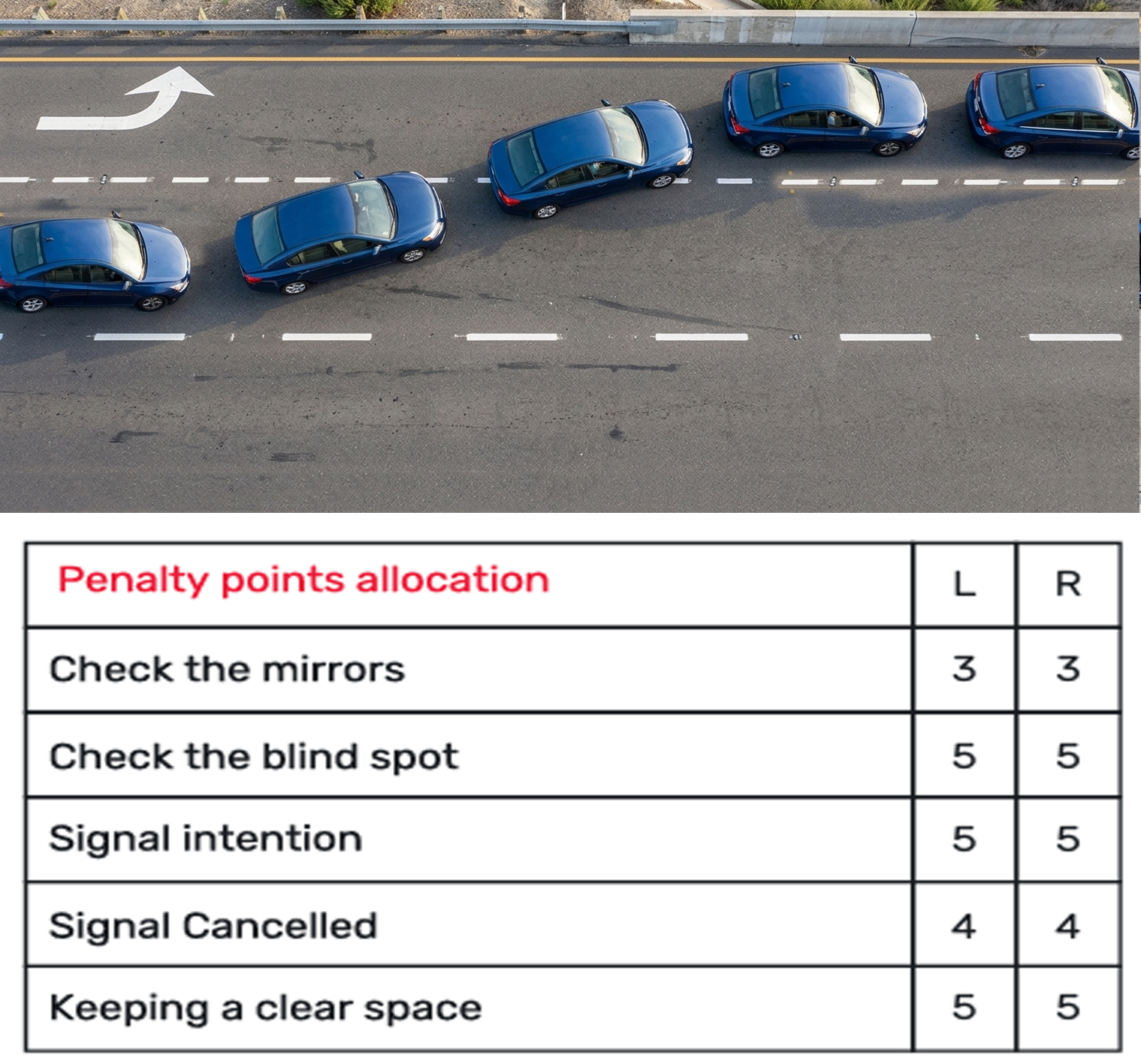
Driving Procedures
Freeways – Exiting a Freeway.
Exiting a freeway safely requires good planning, observation, and correct lane positioning.
Drivers should identify their exit well in advance, move into the correct lane early, and maintain a steady speed while leaving the freeway.
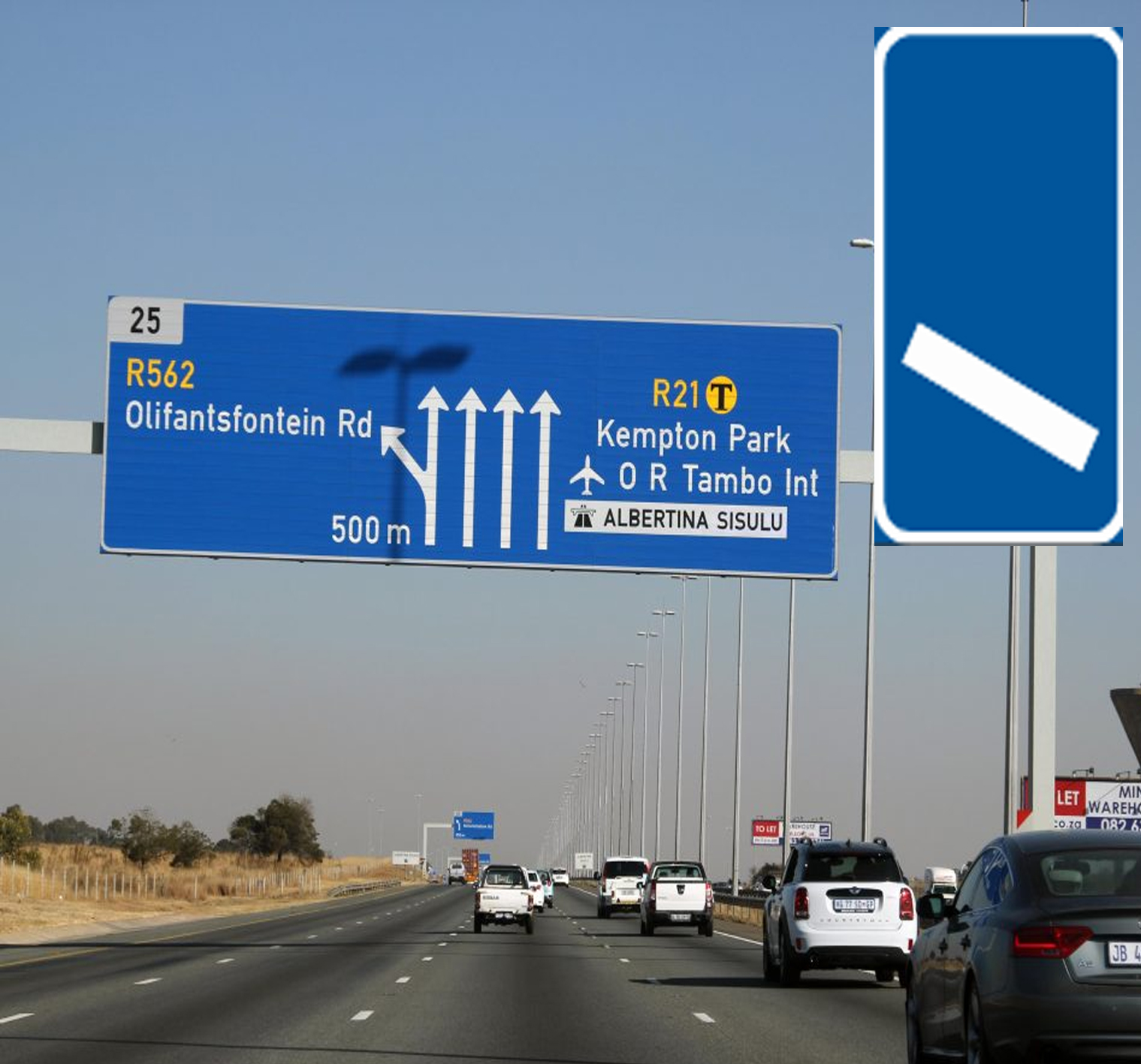
Procedure for Exiting a Freeway
1. Check Your Mirrors.
Scan the rear-view mirror and side mirrors to assess traffic conditions around your vehicle.
Be aware of vehicles approaching from behind or travelling in adjacent lanes.
2. Check the Blind Spot.
Look over your shoulder in the direction of the lane change to ensure no vehicle, motorcycle, or cyclist is travelling in your blind spot.
3. Signal Your Intention.
Activate your indicator well in advance to inform other road users that you intend moving into the exit lane.
4. Maintain Your Speed.
Continue travelling at the speed of the traffic flow while preparing to move into the exit lane.
Avoid slowing down on the main carriageway unless necessary.
5. Check Both Blind Spots.
Before changing lanes, perform a final check of the blind spots to ensure the path is clear and safe.
6. Maintain Speed While Changing Lanes.
Move smoothly into the exit lane without sudden steering movements. Keep a safe following distance from vehicles ahead.
7. Enter the Off-Ramp
Position your vehicle correctly within the off-ramp lane. Stay centred in the lane and remain alert for advisory speed signs and changes in road conditions..
8. Cancel the Signal
Once the lane change has been completed and you are fully established on the off-ramp, cancel the indicator if it has not cancelled automatically.
9. Check Mirrors Again
Continue monitoring traffic behind and around you. Other vehicles may also be entering the off-ramp or adjusting their speed.
10. Decelerate if Necessary
Reduce speed only after entering the off-ramp and when conditions require it.
Follow the posted advisory speed signs and adjust your speed according to traffic, weather, and road conditions.