Optimizing Signal Timing: Communicating Intent with Precision
Standardized Signaling Procedures (K53)
Effective signaling is more than a technical requirement; it is a critical communication tool used to maintain safety and predictability on public roads. Below are the professional protocols for directional and secondary signals.
1. Directional Indicators and Turn Procedures
Maintaining a clear "Observation-Signal-Action" chain is the foundation of defensive driving.
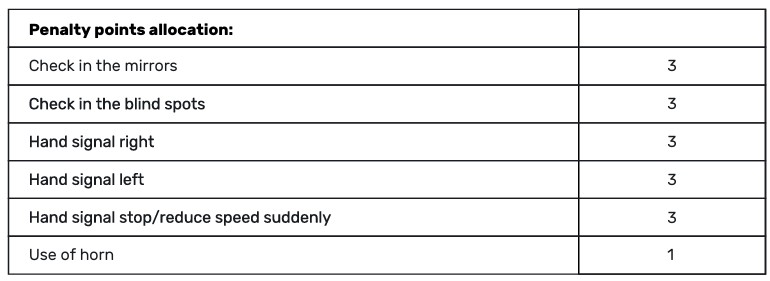
- Pre-Signal Observation: Before activating any signal, drivers must conduct a thorough check of the interior rear-view mirror(s) and the appropriate blind spot. This is mandatory when intending to decelerate, stop, turn, or change lanes.
- Optimal Timing: Signals must be activated in good time and maintained for a sufficient duration to warn other road users.
- Preventing Confusion: Care must be taken not to signal prematurely, especially near multiple turn-offs, as this may create confusion for other motorists.
- Steering Discipline: Once the indicator is engaged (or a hand signal is completed), the driver must immediately return their hand to the appropriate 10-and-2 or 9-and-3 position on the steering wheel.
- Signal Cancellation: Drivers must ensure that the indicator is cancelled immediately upon the completion of the maneuver to avoid misleading other traffic.
- Intersection Etiquette: Generally, drivers should avoid activating or using direction indicators and hand signals within the boundaries of an intersection unless it is strictly necessary for safety.

2. Secondary Signals: Braking and Horn Usage
Non-directional signals serve to communicate immediate hazards or changes in velocity.
- Brake Lights (Stoplights): Unlike turn signals, stoplights are considered a continuous signal. It is not necessary to "cancel" the signal by removing your foot from the brake pedal once the vehicle has reached a complete standstill.
- Audible Warnings (The Horn / Hooter): When utilizing the horn, the driver's primary objective is to ensure that other road users are clearly aware of their presence.
- Observation Protocols for Secondary Signals: When utilizing headlights, the horn, or stoplights as a signal, a blind spot check is not strictly required. However, a rear-view mirror check remains mandatory before braking commences to assess the proximity of following vehicles.
Adhering to these signaling protocols ensures that your driving intent is transparent to all road users, significantly reducing the risk of collision during transitions and maneuvers.